

By: All Allied Health Staff
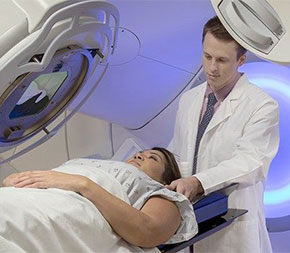
A radiation therapist is a licensed healthcare professional who administers targeted radiation treatments to patients with cancer and certain other diseases. Working closely with radiation oncologists and medical physicists, they operate specialized equipment, position patients precisely for each treatment, and help ensure radiation is delivered safely and accurately while providing compassionate support throughout the treatment process.
Radiation therapist at a glance
What education and training do I need to become a radiation therapist?
Education requirements vary by employer and state licensure laws, but most radiation therapists need at least an associate degree in radiation therapy to enter the field. These two-year programs teach students about applicable anatomy and physiology, oncology basics, radiobiology and clinical procedures. They include a mix of didactic, classroom-based learning and hands on clinical practice.
For those who already have an associate degree or higher in another field, a certificate program in radiation therapy is an alternative pathway. These programs, which typically take about one year to complete, provide a faster entry point into the field. Keep in mind that you’ll need at least an associate degree in order to obtain any credentials through the American Registry of Radiologic Technologists (ARRT), so certificate programs are typically not enough all on their own.
No matter what program you choose, the program should be approved by the ARRT and/or accredited by the Joint Review Committee on Education in Radiologic Technology (JRCERT).
Licensing and certification requirements for radiation therapists
There are no universal licensing or certification requirements for radiation therapists, but employers often prefer radiation therapists to have a certification that verifies their professional skills and knowledge.
The most widely recognized certifying body is the ARRT, which offers a radiation therapist certification. Certified radiation therapists must meet education and clinical competency standards set by the ARRT, including:
Individual states also have their own requirements for radiation therapists. Those that require radiation therapists to have a license or register with the state typically require them to have the ARRT certification or similar. Be sure to check your state’s licensing laws before embarking on any education program to ensure you understand the requirements where you live and intend to work.
How much do radiation therapists make?
Take a look at median annual salaries by state for radiation therapists, as reported by the U.S. Bureau of Labor Statistics (BLS).
Radiation therapy career paths and advancement
A career as a radiation therapist offers a spectrum of opportunities for professional growth and advancement. Initially, radiation therapists may start by administering radiation treatments and managing patient care. With experience, they can specialize in areas such as pediatric oncology or brachytherapy, further refining their expertise.
Advanced positions often include supervisory roles, where therapists manage teams, oversee treatment planning and ensure adherence to safety protocols. For those interested in a broader scope, transitioning into medical physics or radiology offers a path to delve into the more technical aspects of patient imaging and radiation treatment planning.
Some therapists advance their careers by moving into research, education or sales roles within the medical equipment industry. This diversity in career trajectories underscores the dynamic and evolving nature of the radiation therapy field, catering to various interests and skill sets.
Essential skills and qualities of successful radiation therapists
The role of a radiation therapist is both technical and empathetic, requiring a unique blend of skills and personal qualities. Technically, a strong foundation in physics, anatomy and radiation therapy procedures is paramount. Therapists must be detail-oriented to accurately deliver treatment plans and monitor patient progress.
Interpersonal skills are equally critical. Radiation therapists must communicate effectively with patients and families, often in stressful or emotional situations, and work collaboratively with medical teams. Empathy and compassion are essential in providing support and reassurance to patients undergoing treatment.
Additionally, problem-solving skills and adaptability are crucial, as therapists must be able to respond to changing patient conditions and advancements in treatment technology. The ability to work as part of a medical team, often under pressure, is a hallmark of successful radiation therapists.
Challenges and rewards of the profession
A career in radiation therapy is marked by a unique set of challenges and rewards. Therapists often work with patients undergoing emotionally and physically taxing cancer treatments, which can be emotionally challenging. They witness the struggles and sometimes the decline of their patients, requiring emotional resilience and the ability to provide compassionate care despite personal feelings.
Balancing clinical responsibilities with the emotional aspects of patient care is a significant challenge. On the flip side, the profession is immensely rewarding. Radiation therapists play a crucial role in the fight against cancer, often forming close bonds with patients and their families. The satisfaction of contributing positively to patient care, witnessing treatment success and being part of a life-changing medical journey is unparalleled.
Additionally, the field is continuously evolving, offering ongoing learning opportunities and the excitement of working with cutting-edge technology. These rewards make radiation therapy a fulfilling and meaningful career choice. If you’re ready to explore radiation therapy schools, use our handy “Find Schools” widget to browse through vetted programs
Frequently asked questions (FAQ)
What does a radiation therapist do every day?
Radiation therapists administer radiation treatments to patients with cancer and other serious diseases. Their daily responsibilities may include preparing patients for treatment, operating radiation therapy equipment, following treatment plans, monitoring patients, maintaining detailed records and working with radiation oncologists, medical physicists and other healthcare professionals.
Do radiation therapists need to be licensed or certified?
Requirements vary by state, but most states require radiation therapists to be licensed or certified. Many employers also prefer or require professional certification. The ARRT is one of the major credentialing organizations for radiation therapists, and its certification pathway includes education, ethics and examination requirements.
Are radiation therapists exposed to radiation at work?
Radiation therapists work with equipment that produces ionizing radiation, but they follow strict safety procedures and regulations designed to minimize unnecessary exposure. Their training includes radiation protection and safety practices, and treatment rooms and equipment are designed to help protect healthcare workers while they administer radiation therapy.
What’s the difference between a radiation therapist and a radiologic technologist?
Both radiation therapists and radiologic technologists use medical imaging and radiation-related technology, but they perform different roles. Radiation therapists deliver targeted radiation treatments to patients with cancer and other diseases, while radiologic technologists typically perform diagnostic imaging exams, such as X-rays, CT scans and mammograms, to help physicians diagnose medical conditions.
How long does it take to become a radiation therapist?
It typically takes about one to two years to complete a radiation therapy program, although the exact timeline depends on the program, the credential(s) you pursue and any previous education you may already have. Certificate programs may take about a year, while associate degree programs generally take about two years and include classroom instruction and supervised clinical experience.