

By: Kendall Upton

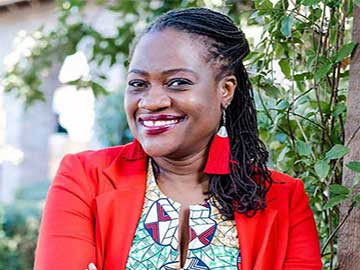
Professional insights: Mindy Lu
Long gone are the days where your only chance of seeing a dietitian or nutritionist—or any healthcare provider—required going to a physical office for your appointment. Today, many dietitians and nutritionists offer their services virtually through online telehealth platforms. Though many also still retain a physical location for in-person appointments, telehealth can increase access to care, provide a new level of flexibility and provide several other advantages for practitioners and their clients.
Telehealth trends in the dietetics field
Telehealth consultations have become a major part of the nutrition and dietetics field in the last few years, especially since the healthcare field was rocked by the COVID-19 pandemic and telehealth services became an abrupt necessity.
But the COVID-19 pandemic isn’t solely responsible for this shift. According to one study that surveyed over 2,000 Registered Dietitian Nutritionists (RDNs), 37% of respondents reported that they offered telehealth services prior to the COVID-19 pandemic. Still, that figure jumped to 78% at the time of the survey in the spring of 2020, and many practitioners have never looked back.
“[Telehealth] is here to stay,” said Mindy Lu, a Certified Nutritionist (CN) and Licensed Mental Health Counselor (LMHC) in Seattle, Washington. “Something that we have noticed is more folks have been asking to come back in person, because I think that there is a need for that face-to-face human connection, especially when we’re talking about such vulnerable and intimate stuff. But it’s definitely not going away, and we have just as many folks saying that they’re only available for telehealth.”
Lu is the Clinical Director of Sunrise Nutrition, a private nutrition practice group that specializes in helping people that are struggling with eating disorders, and specifically marginalized groups that fall into that category. They offer both in-person and virtual nutrition services to their clients.
Some companies have even made telenutrition their entire business model. Nourish, for example, is one of several healthcare platforms that connect people to telehealth dietitians in their state. Many private practice groups have also shifted to a 100% virtual business as they recognize the benefits that telehealth has to offer.

Some companies have even made telenutrition their entire business model.
Advantages of telehealth for nutrition professionals
Telehealth services offer numerous advantages for practitioners and patients alike.
Opportunity to reach more patients
When patients must go to a physical office to see a nutritionist or dietitian, the practitioner’s client base becomes geographically limited. Virtual appointments, however, mean that nutrition professionals can offer their services to a much greater breadth of clients. In that same vein, patients can also choose from a wider range of professionals when they don’t have to worry about commuting to a nearby location.
Virtual appointments, however, mean that nutrition professionals can offer their services to a much greater breadth of clients. In that same vein, patients can also choose from a wider range of professionals when they don’t have to worry about commuting to a nearby location.
This can be especially beneficial for nutritionists and dietitians that offer specialized services to a specific patient population. A dietitian whose practice focuses on helping patients with polycystic ovarian syndrome (PCOS), for example, might otherwise struggle to find enough clients if they must live within a commutable distance of an office location.
“Something that we’ve noticed is it has increased access to healthcare. We’re based here in Seattle, but because of telehealth we get to serve folks who it would otherwise take, say, a two-hour drive to get here. And because of our niche specializing in eating disorders, and then our niche within the niche specializing in marginalized identities with eating disorders, telehealth might be their only way of accessing that specific care,” Lu said.
Scheduling flexibility
Telehealth appointments give practitioners and clients the flexibility to complete their appointment from just about anywhere, including within the comfort of their own home.
Not having to commute to a physical location also eliminates having to account for travel times, which can make it easier to fit an appointment into a busy schedule.
“An increase in access to care is definitely really helpful for folks with really busy schedules or who might travel a lot,” Lu said. “We’ve noticed that it’s also really helpful for mothers. We have a few clients who have a baby that goes down for their nap at three o’clock, and so we meet at three o’clock every week.”
Some healthcare providers have also reported that telehealth services have reduced the number of appointment cancellations, late arrivals and no-shows. When patients can tune into their appointment from anywhere, they may be able to attend during their lunch break at work, while travelling or vacationing out of town, or even if they’re sick and stuck at home.
Can reduce costs
Providing telehealth services can potentially reduce overhead costs for practitioners, especially those that run their own business. They may not have to rent out an office space if they conduct all their appointments from their own home, for example. Even if they work for a hospital or outpatient clinic, they may be able to do some or all their work from home and therefore save on transportation costs.
Covered by most insurance carriers
Telehealth services have become a huge part of the healthcare industry in the last few years. Reimbursement policies for these services vary from insurance provider to provider, but in general, most insurance carriers and plans allow for reimbursement of telehealth services.
Challenges of telehealth to be aware of
Despite the benefits that virtual dietetic consultations have to offer, telehealth does also present new challenges that nutritionists and dietitians should be prepared for.
Interpersonal connection barriers
Audiovisual communication can get us pretty close to replicating in-person interaction, but it’s not a total replacement. Speaking face-to-face can make it easier to pick up on nonverbal cues, for example, and can support a general feeling of connection that video communication sometimes misses out on. Some clients may therefore be hesitant to use telehealth services because they prefer an in-person environment.
“I’ve also noticed that sometimes folks do have a harder time building rapport through a screen, so we actually have come across a few situations where we would make the clinical recommendation that it’s in person rather than telehealth in order to get the ball rolling,” Lu said.
If you’re thinking about offering telehealth services as a dietitian or nutritionist, be sure to consider whether you want to remove the option of in-person services entirely. For some, offering both may be the perfect middle ground.
Technical difficulties
Telehealth relies on technology—if that technology falters, it could lead to missed appointments, miscommunications, and ultimately, frustration for practitioners and clients. Internet connectivity issues, telehealth platform malfunctions, power outages and more are just a few examples of technical difficulties that may occur.
To avoid these issues, nutritionists and dietitians should communicate a backup plan to clients in case their communication is disrupted. For example, they may plan to switch to a phone call if the internet connection isn’t stable.
Technology can also reduce access to care for people that don’t have the technology itself.
“The technology increases access, but we’ve noticed that it also decreases access for some people too, because not everybody has a camera on their laptop or has the knowledge or the skill to be able to navigate the technology necessary to sign into a meeting,” Lu said.
Legal considerations
Nutrition professionals must be aware of several legal complications that telehealth services present, namely licensure and privacy laws.
Nutritionist and dietitian licenses are only valid within the state from which it was issued. That means you can only treat clients within your state, or else you would need to get licensed by another state from which you want to take clients. Luckily, some states have reciprocity laws with each other that make it relatively easy to obtain a license in other states. Practitioners should contact state licensing boards directly to learn more about their state’s licensing laws.
In addition, nutrition professionals must ensure that telehealth services are compliant with the Health Insurance Portability and Accountability Act (HIPPA) by using HIPPA compliant telehealth platforms. It also means practitioners should be aware of how to keep appointments and client information secure, and how to educate patients on this topic as well. For example, personal information should not be shared between the practitioner and client via text message, email or other unsecured forms of communication. For more information about HIPAA and telehealth, check out the U.S. Department of Health and Human Services website.
How nutritionists can prepare for telehealth
Whether you’re still a student, completing your clinical internships or a practicing dietitian or nutritionist, there are a few things you can to do prepare for telehealth in your career:
Determine whether in-person or telehealth is best for your business:
Practitioners working with specialized groups may need telehealth to reach more patients, while general practitioners may prefer to offer their services exclusively in person. Others still may find that offering both virtual and in-person appointments is the best for their business.
Read up on all applicable telehealth laws and regulations:
Make sure you understand any telehealth laws and regulations, including HIPAA, before you get started implementing telehealth into your practice. Your state’s licensing board should be your go-to source for state-specific questions. The Academy of Nutrition and Dietetics also has telehealth resources for dietetic practitioners.
Research your options for practice management platforms:
If you’re running a private practice, there are lots of practice management platform options to choose from. Many integrate telehealth delivery software with electronic health records (EHRs), appointment scheduling, intake forms, billing and more. Some of the most popular options out there include Practice Better, SimplePractice and Healthie. Others like Kalix and Nutrium are specifically designed for dietitians and nutritionists.
Doon’t be afraid to shift gears;
If you’re running your own practice, remember that you can always pivot. If you start offering telehealth services and it’s not working for you, you can drop telehealth and shift to in person. Or you may start offering telehealth services and decide you want to add in-person services later. You don’t ever have to be locked into one delivery method or the other.
Final thoughts
Telehealth has become the new norm for many professionals in the field of dietetics. Since there’s a good chance that new and established professionals will provide telehealth services at some point in their careers, dietitians and nutritionists should begin to familiarize themselves with the nuances of telehealth so that they can leverage its technology to their advantage.