In this Article

By: Sheila Cain
A phlebotomist, also known as a phlebotomy technician, plays a crucial role in healthcare by collecting blood samples from patients and preparing them for testing. They are primarily employed in hospitals, clinics, and blood donation centers. Phlebotomists are valued members of the healthcare team, responsible for explaining the blood-drawing procedure and ensuring patient comfort during the process.
Phlebotomists must like challenge and responsibility. They must also be accurate, work well under pressure, and communicate effectively. Because they work directly with patients, they must notice and relay any important information gained during interactions to doctors, nurses, and laboratory professionals.
What Is a Phlebotomist?
A phlebotomist’s specific duties may vary depending on the workplace. While most phlebotomists work in hospitals or healthcare centers, others may work at universities or blood banks. Others may work for life insurance companies and travel to policy applicants’ homes to draw blood so the companies can determine any existing health issues.
No matter the workplace, your overall job duties as a phlebotomist may likely include:
- Explaining the procedure to patients
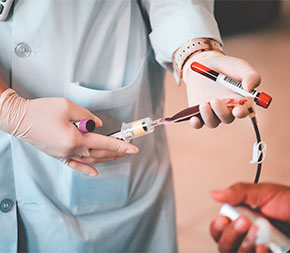
- Drawing blood
- Updating patient records
- Preparing stains and reagents
- Cleaning and sterilizing equipment
- Taking a patient’s blood pressure, pulse, and respiration rate
Where Do Phlebotomy Technicians Work?
Phlebotomists work in any number of healthcare facilities where blood is taken and analyzed. Some travel to call on patients who are homebound. In large hospitals or in independent laboratories that operate continuously, phlebotomists usually work the day, evening, or night shift and may work on weekends or holidays. Those in smaller facilities may work rotating shifts. Some take emergency calls several nights a week or on weekends.
Some places phlebotomists may work include:

The outlook for phlebotomists is above average for all other occupations in the workforce. According to the U.S. Bureau of Labor Statistics, the growth for the field should reach 5.6% through 2034.
Education and Certification
Phlebotomy is one of several allied health careers with an education program that can be completed in a year or less. You can earn a phlebotomy certificate in just four to eight months.
Programs usually include classes in:
- Patient safety
- Medical terminology
- Physiology
- Anatomy
- Infection control
After learning the basics, students typically participate in a 10-day training period where they draw blood for eight hours a day.
While only four states (Nevada, Louisiana, Washington and California) mandate certification or licensing for phlebotomists, most employers either require or strongly prefer their phlebotomists be certified. A certification program ensures mastery of the subject and imparts the knowledge students need to perform the job safely, efficiently and accurately.
Earning Potential
Like most allied health professions, the salary of a phlebotomist can vary greatly depending on where you work, the extent of your education, and your specialty.
Geography also plays a big role in salary. For phlebotomists, the state of California pays particularly well. In fact, nine of the top 10 highest-paying cities for phlebotomists are in the state, according to the U.S. Bureau of Labor Statistics. Their information is based on national data, not school-specific information, and conditions in your area may vary.
Overtime is also a factor in determining the size of a phlebotomist’s paycheck. Overtime is regularly offered to phlebotomists. Those available for travel are often asked to visit medical offices that might not have phlebotomists on staff.